

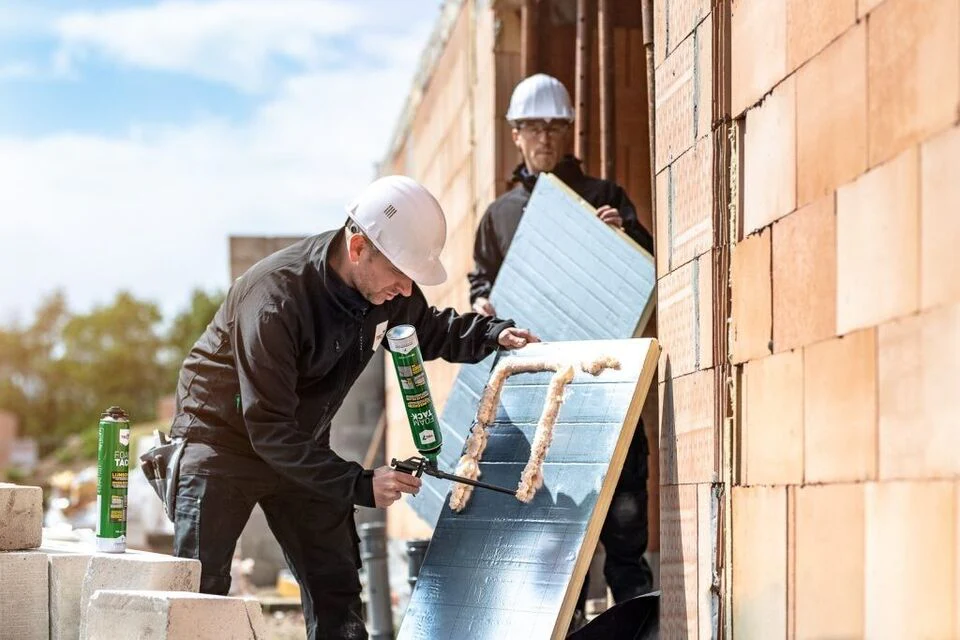
Modern projects demand speed, clarity plus reduced waste. Builders seek materials that seal gaps fast while supporting strong structures. The expanding foam plays a key role in reaching these goals. This material supports insulation control plus gap-filling tasks. It limits air flow loss. It reduces noise transfer. It strengthens joints quietly. Proper use improves outcomes. Planning with correct knowledge ensures better builds. A clear understanding supports safer work. Efficiency grows through smart material choices.
Purpose of material use
This material supports gap sealing across walls, joints, and cavities during the early stages. It grows after application. Growth fills space evenly. Even fill limits air movement. Reduced air flow saves energy. Builders gain speed. Less rework occurs. Structures remain stable longer. Application stays simple.
Role in insulation improvement
Foam supports insulation goals by blocking unwanted air flow paths. It expands into cracks. Cracks disappear after cure. Sealed gaps maintain interior balance. Balance reduces strain on systems. Lower strain cuts energy use. Projects meet efficiency goals. Owners benefit long-term.
Contribution to structural strength
When applied correctly, foam adds rigidity to frames. It binds surfaces together. Bound surfaces resist movement. Reduced movement limits wear. Wear reduction extends lifespan. Strong joints improve stability. Stability supports safety. Safety builds trust across projects.
Application areas overview
Use occurs around openings, joints, and pipe paths. Small spaces accept material easily. Expansion reaches hidden voids. Voids filled stop drafts. Draft control improves interior balance. Balanced interiors reduce complaints. Satisfaction rises. Quality perception improves greatly.
Installation speed benefits
Fast curing reduces waiting time. Crews move ahead quickly. Quick progress supports schedules. Delays reduce. Costs stay controlled. Controlled cost benefits budgets. Projects finish sooner. Early completion improves planning for the next phase.
Waste reduction support
Precise application lowers excess material use. Less waste means cleaner sites. Clean sites improve safety. Safety supports worker focus. Focus improves output. Reduced disposal saves money. Environmental impact lowers. Responsibility image strengthens.
Moisture control importance
Sealed gaps stop moisture entry. Moisture causes damage. Damage leads to repair costs. Preventive sealing avoids issues. Dry interiors maintain strength. Strength preserves structure. Long-term value increases. Owners gain confidence.
Sound control advantage
Material blocks sound transfer through gaps. Quieter interiors result. Reduced noise improves focus. Focus supports productivity. Productivity supports use value. Noise control adds appeal. Appeal raises satisfaction. Satisfaction supports reputation.
Compatibility with surfaces
Foam adheres to many surfaces easily. Proper prep ensures bond. A strong bond prevents separation. Separation risks leaks. Leak prevention saves resources. Surface compatibility broadens use cases. Versatility supports planning.
Safety handling basics
Protective gear remains important during use. Ventilation supports comfort. Controlled application avoids overflow. Overflow wastes material. Training reduces mistakes. Skilled handling improves outcomes. Safe habits protect teams.
Long-term performance value
Once cured, foam maintains shape. Shape stability supports seal integrity. Integrity limits future gaps. Fewer gaps reduce maintenance. Lower upkeep saves funds. Long service life benefits owners. Reliability builds trust.
Cost efficiency impact
Lower labor time reduces expense. Material efficiency cuts waste costs. Energy savings add value. Combined savings support budgets. Budget control helps scale. Financial sense drives adoption. Adoption grows steadily.
Choosing the right material shapes project success. This solution offers speed, strength plus control. Proper planning ensures correct use. Teams benefit from training. Structures gain protection. Costs stay managed. Energy use drops. Long value rises. With clear knowledge, builders achieve better outcomes. Applying expanding foam wisely supports reliable construction results while meeting efficiency goals.
FAQs
Is this material safe for long-term use?
Yes, when applied correctly. It stays stable after curing. Proper handling ensures dependable performance over time.
Does it suit small gaps only?
No, it fills small spaces plus larger voids. Expansion adapts to many gap sizes easily.
Can it improve energy savings?
Yes, sealed gaps reduce air loss. Reduced loss supports lower energy demand inside structures.
Does it require special tools?
Basic application tools suffice. Training improves results. Controlled use ensures clean output.
